There are various kinds of executive actions that United States presidents may take.
Executive orders are issued to help officers and agencies of the executive branch manage the operations within the federal government itself. Presidential memoranda are closely related, and have the force of law on the Executive Branch, but are generally considered less prestigious. Presidential memoranda do not have an established process for issuance, and unlike executive orders, they are not numbered. A presidential determination is a determination resulting in an official policy or position of the executive branch of the United States government. A presidential proclamation is a statement issued by a president on a matter of public policy issued under specific authority granted to the president by Congress and typically on a matter of widespread interest. Administrative orders are signed documents such as notices, letters, and orders that can be issued to conduct administrative operations of the federal government. A presidential notice or a presidential sequestration order can also be issued. National security directives1 operate like executive orders, but are only in the area of national security. They have been issued by different presidents under various names.
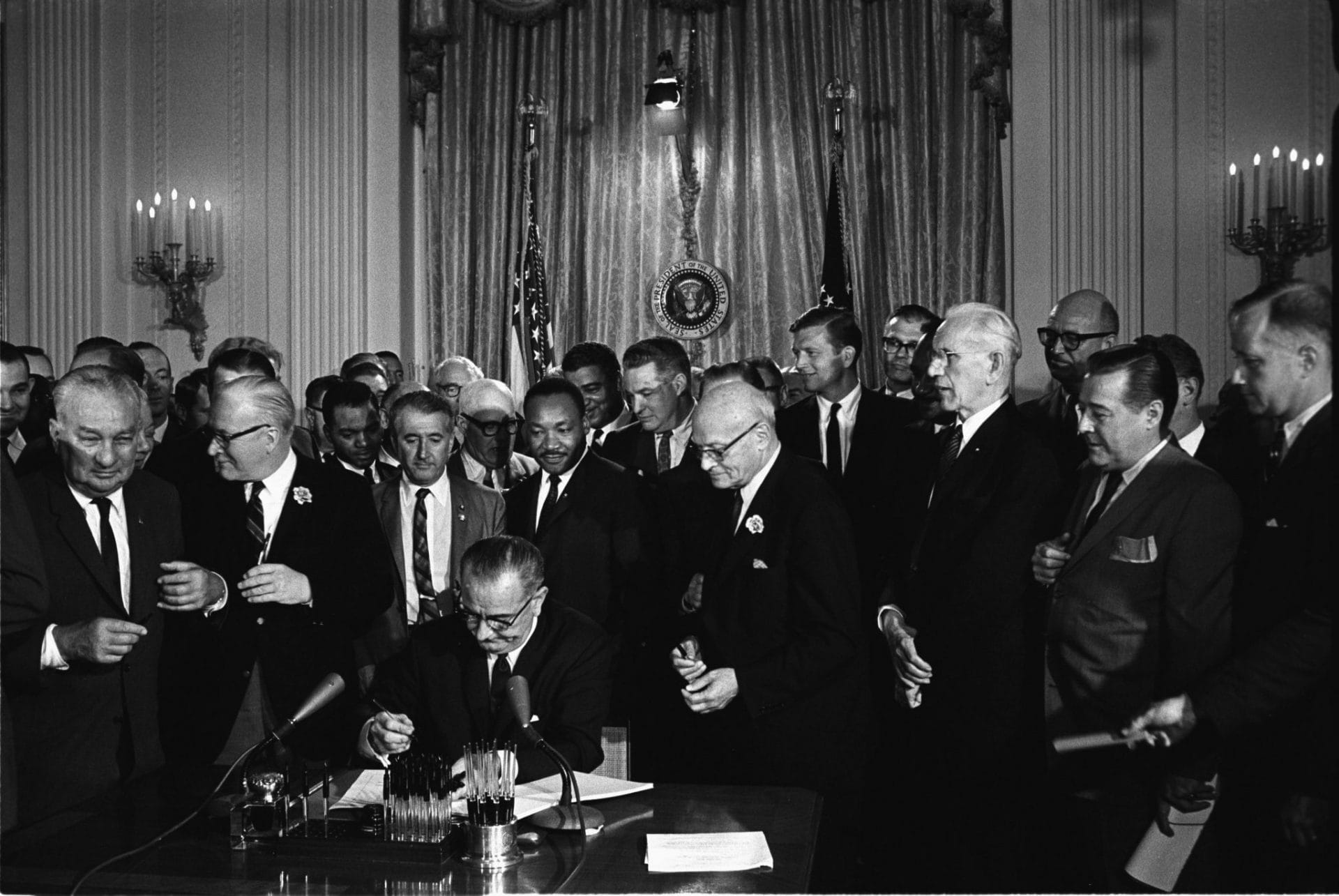
Listed below are executive orders numbered 11128–11451 signed by United States President Lyndon B. Johnson (1963–1969). He issued 325 executive orders. His executive orders are also listed on Wikisource, along with his presidential proclamations.
Executive orders
1963
1964
1965
1966
1967
1968
1969
References
Notes
External links
- Executive Orders Disposition Tables, National Archives, Federal Register